


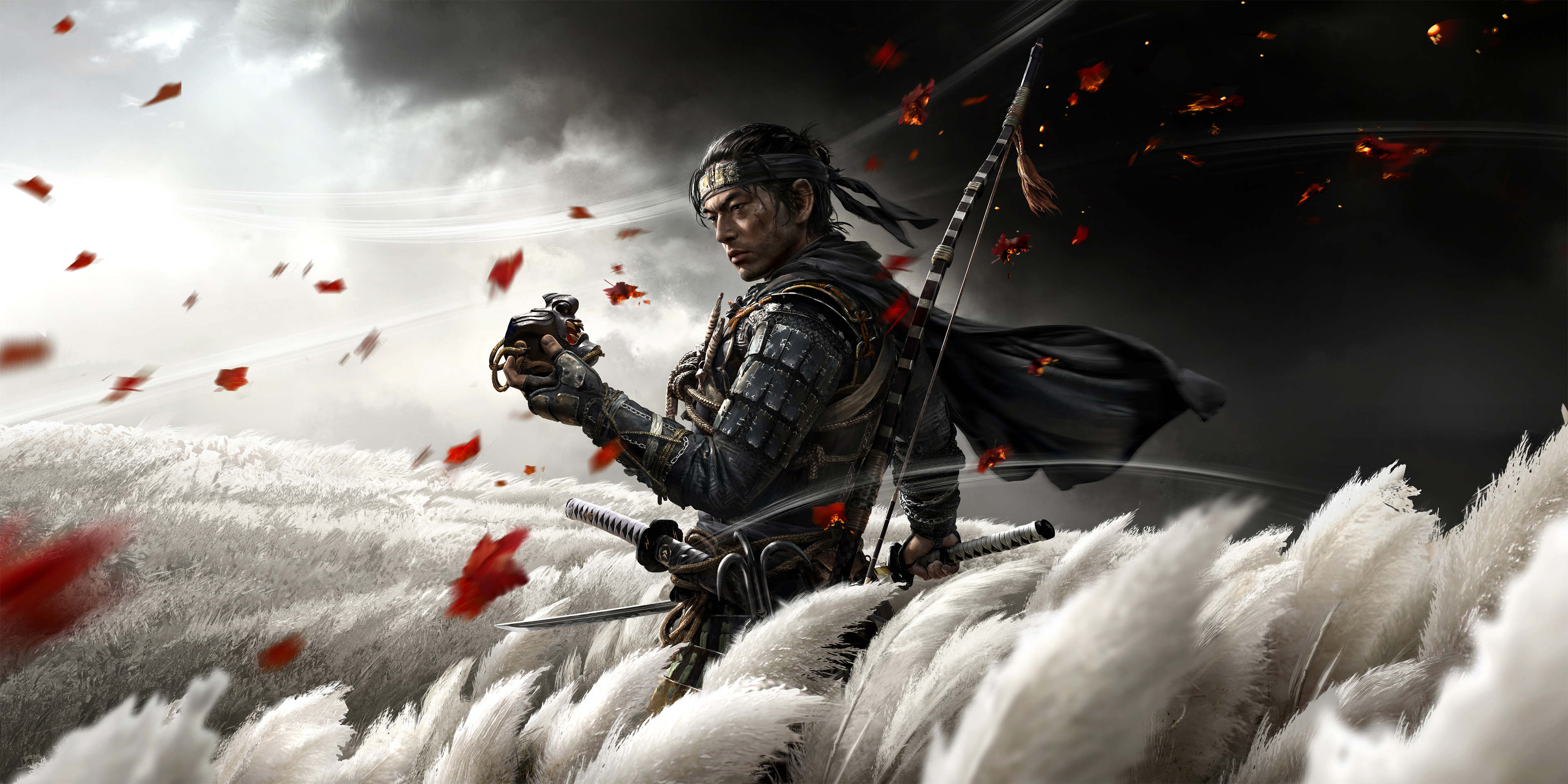
Introduction to the Tale of Tsushima
released by Sucker Punch Productions, tells a deeply moving historical fiction narrative set during the first Mongol invasion of Japan in 1274. At its core, Ghost of Tsushima is not merely a story of war, but an intimate character study of Jin Sakai, a honorable warrior forced to choose between the strict code of the samurai and the survival of his people.
The Invasion: The Battle of Komoda Beach
The story begins on the shores of Komoda Beach, where 80 samurai gather to defend Tsushima Island against the invading Mongol army led by the ruthless and cunning Khotun Khan. The samurai, bound by their traditional code of honor, charge directly into battle. However, Khotun Khan understands the samurai mentality and uses pragmatic, brutal tactics to overwhelm them.
Nearly every samurai is slaughtered. Lord Shimura, Jin’s uncle and the Jito (ruler) of Tsushima, is captured by the Khan. Jin Sakai barely survives, rescued by a resourceful thief named Yuna. This defeat sets the stage for Jin's moral dilemma.
The Crucible: Honor vs. Survival
After failing to rescue his uncle through honorable direct combat, Jin realizes that standard samurai tactics cannot defeat an enemy that fights without rules. To save his homeland, Jin begins adopting unconventional methods: stealth, poison, assassination, and striking fear into the hearts of his enemies.
As Jin adopts these tactics, rumors spread across the island of a vengeful spirit protecting the people: The Ghost. While the peasantry views the Ghost as a legendary savior, Lord Shimura and traditional samurai view these stealthy methods as dishonorable and dangerous.
Act I & II: Gathering Allies and the Breach of Castle Shimura
Jin recruits a band of allies to wage a guerrilla war against the invaders, including:
- Yuna: The thief who introduced Jin to pragmatic survival tactics.
- Ishikawa: A master archer hunting his rogue student.
- Masako Adachi: A vengeful samurai noblewoman seeking justice for her murdered family.
- Kenji: A lighthearted sake brewer who aids the resistance.
Together, they launch an assault to free Lord Shimura from Castle Shimura. During the climax of the castle siege, Lord Shimura demands a direct charge across a heavily fortified bridge, which would result in massive casualties. Jin disobeys his uncle, sneaking into the enemy fort at night and poisoning the Mongol garrison's drink.
While Jin saves countless samurai lives, Lord Shimura is appalled by the dishonorable act. Unable to accept Jin's transition into the Ghost, Shimura places Jin under arrest. Jin escapes, fully embracing his identity as the Ghost.
Act III: Defeating Khotun Khan
Jin's poisoned weapon tactic backfires when Khotun Khan learns to replicate the poison, using it against the native population of Tsushima. Driven by guilt, Jin tracks the Khan to Port Izumi in the frozen north.
In an epic confrontation, Jin slays Khotun Khan, crippling the Mongol army's leadership and effectively ending the primary threat to the island.
The Ending Explained: Jin Sakai vs. Lord Shimura
With the Mongols defeated, the Shogun marks Jin as a traitor to the code and orders his execution. Lord Shimura is ordered by the Shogun to carry out the sentence personally.Jin meets his uncle at their family cemetery. After a poignant conversation acknowledging their deep familial bond, the two engage in a tragic duel. Upon Jin's victory, the player is presented with a defining choice:
- Kill Lord Shimura (Grant a Warrior's Death): Jin honors his uncle's samurai tradition by granting him a death with honor. Shimura dies peacefully, proud of Jin's warrior spirit, but Jin is left emotionally shattered.
- Spare Lord Shimura (Embrace the Ghost): Jin casts aside samurai tradition completely, stating he has no honor left but refusing to murder his family. Shimura lives with the shame of failure, while Jin fully disappears into the shadows as the eternal guardian of Tsushima.
Frequently Asked Questions
Which ending in Ghost of Tsushima is canonical?
Sucker Punch has indicated that sparing Lord Shimura aligns most naturally with Jin's transformation into the Ghost, though both choices offer satisfying emotional resolutions to the story arc.
Why did Jin reject the Samurai code?
Jin realized that rigid adherence to the samurai code of honor was causing unnecessary deaths among his people. He sacrificed his personal reputation and samurai status to save Tsushima from total destruction.
Final Thoughts
The story of Ghost of Tsushima is a masterful exploration of sacrifice, tradition, and personal evolution. Jin Sakai's transformation demonstrates that true heroism sometimes requires giving up everything—including one's own identity—for the greater good.
