


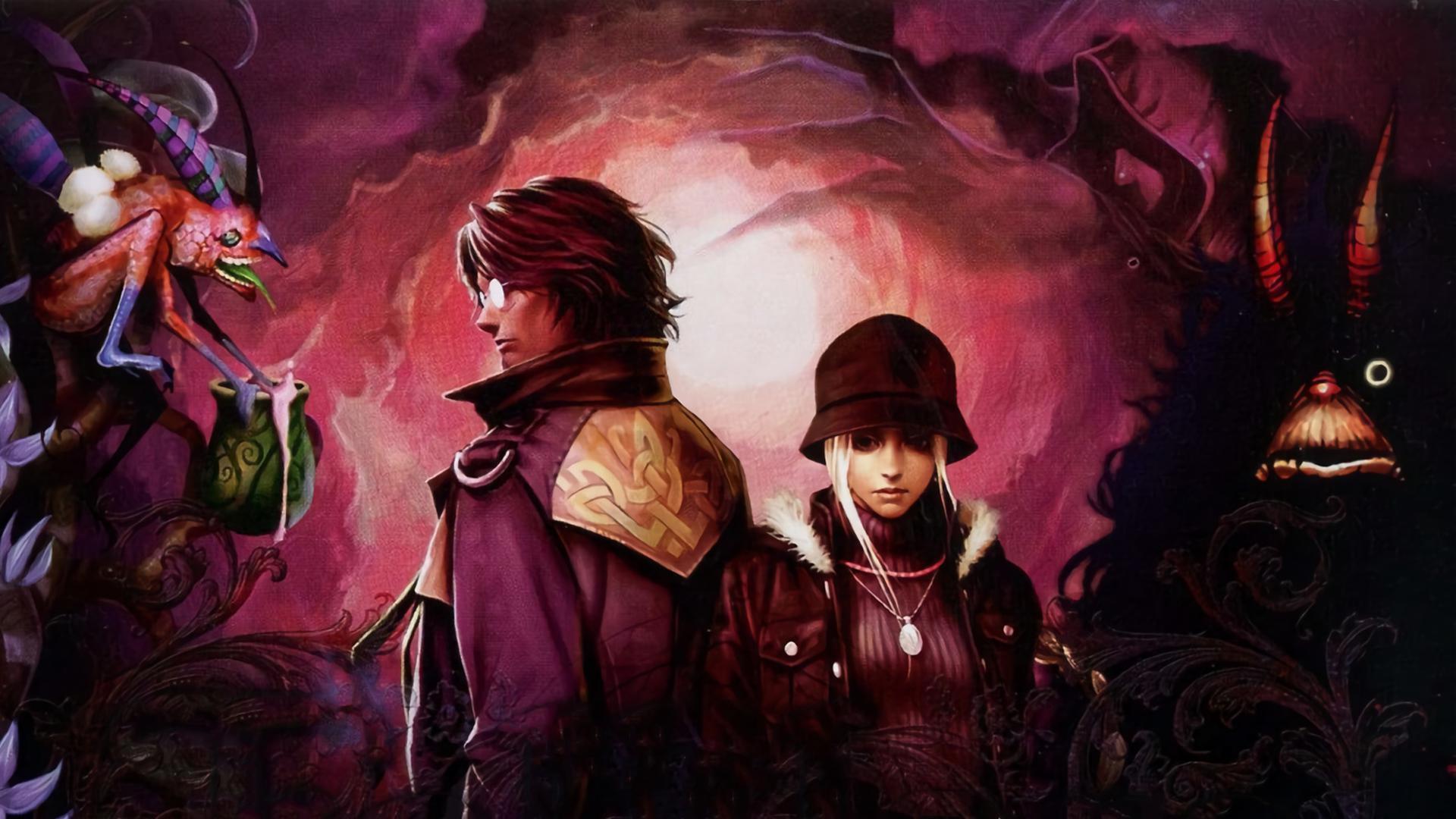
Introduction to Folklore
Released in 2007 for the PlayStation 3, Folklore (known as FolkSSoul in Japan) stands out as one of the most atmospheric and unique dark fantasy action-RPGs of its generation. Developed by Game Republic and published by Sony Computer Entertainment, the game presents a complex narrative that weaves Irish mythology together with a gripping murder mystery.
Set in the quiet coastal Irish village of Doolin, Folklore tells the story of two strangers drawn to a cliffside town by strange messages linked to the dead. To fully understand Folklore, one must piece together a tragic event from seventeen years prior, the nature of the realm of the dead, and the true identities of its main characters.
The Dual Protagonists: Ellen and Keats
The narrative of Folklore unfolds through two parallel storylines that players can alternate between. Both perspectives are essential to understanding the full picture.
- Ellen: A young woman who travels to Doolin after receiving a letter from her late mother, Harriet, who was supposed to have died years ago. Ellen grew up in an orphanage with no memories of her early childhood before age five.
- Keats: A skeptical writer for an occult magazine called Occult Lover. Keats receives a distress call from a woman warning him that monsters are going to kill her in Doolin. Intrigued, he heads to the village to investigate the lead.
The Setting: Doolin and the Netherworld
Doolin is described as the cliff of seaside shadows, a place where the barrier between the living world and the afterlife is thin. Local legend states that Doolin is the only location on Earth where the living can speak directly with the deceased.
By stepping into the twilight hours of Doolin, Ellen and Keats gain access to the Netherworld. The Netherworld is divided into distinct realms, each representing different emotional states and human perceptions of death:
- Faery Realm: A picturesque, natural world where souls begin their journey into the afterlife.
- War Realm: A desolate battlefield locked in conflict, forged from human memories of battle and hardship.
- Judgement Realm: A cold, mechanical landscape representing trial, order, and punishment.
- Endless Realm: A barren desert representing grief, hopelessness, and loss.
- Hell: A realm dominated by chaotic and dangerous Folk.
- Sacred Realm: A serene destination where souls find ultimate rest.
- Netherworld Core: The origin point where intense human thoughts shape reality itself.
The Mystery: What Happened 17 Years Ago?
As Ellen and Keats journey deeper into the Netherworld, absorbing souls and uncovering memories, they realize that every present event is connected to a series of tragic murders that took place in Doolin seventeen years ago.
Seventeen years earlier, a girl named Suzette died under mysterious circumstances. Following her death, paranoia and greed overwhelmed key figures in the village. Ellen's mother, Harriet, was murdered to keep a dark secret hidden, while young Ellen was smuggled out of Doolin. Her memories were buried deep in her subconscious to protect her from those involved in the tragedy.
Major Plot Twists Explained
As the dual storylines intersect, several critical twists redefine the entire plot of Folklore:
1. The True Origin of the Folk
The Folk—the creatures populating the Netherworld—are not simply ancient monsters. They are physical manifestations born from human thoughts, grief, fear, and desire. The intensity of human emotion in Doolin gave physical form to these creatures inside the Netherworld.
2. The Truth About Keats
One of the story's major revelations involves Keats' true nature. Keats is not a ordinary journalist. He is a specialized entity created from the lingering soul and strong emotional desire of Herve, Ellen's childhood friend and half-brother who died seventeen years ago protecting her. Keats was manifested by the Netherworld to honor Herve's final vow: to guard Ellen from danger when she returned to Doolin.
3. Unmasking the Real Culprits
The dark presence disturbing the balance of Doolin is revealed to be Belvhae, a manifestation tied to the village Mayor's corrupt desires and guilt, alongside Dr. Lester. The original murder of Harriet was orchestrated by the Mayor to conceal illegal dealings and protect his status. Over time, the villains leveraged the connection to the Netherworld, unintentionally corrupting the realms and unleashing hostile Folk into Doolin.
The Ending Explained
In the climax of Folklore, Ellen and Keats venture into the deepest layers of the Netherworld to confront Belvhae and the manifestations of Doolin's dark past. By winning these battles, they succeed in cleansing the corrupted spirit of the Netherworld.
With the threat vanquished, Ellen learns the complete truth about her family, her mother's love, and the sacrifices made to protect her as a child. She finally achieves emotional closure, overcoming the grief that had trapped her past in darkness.
Keats, having fulfilled the protective vow of Herve, comes to understand his own purpose. Though the chaotic rift between Doolin and the Netherworld is permanently closed to prevent future tragedy, Keats remains in the living world, free to live his own life now that Ellen is finally safe.
Frequently Asked Questions
Is Folklore related to any other video games?
No, Folklore is a standalone video game created by Game Republic specifically for the PlayStation 3.
Must you play both Ellen and Keats' stories in Folklore?
Yes. Completing chapters for both Ellen and Keats is necessary to unlock the final chapter and experience the true ending of Folklore.
What are Folk in the game Folklore?
Folk are spiritual beings inhabiting the Netherworld. They are created by the collective thoughts, grief, and memories of humans, taking on various forms depending on the realm they occupy.
Final Thoughts
Folklore stands as an overlooked narrative jewel on the PlayStation 3. By weaving emotional themes of grief, trauma, and memory into a dark fairy tale setting, its narrative delivers an unforgettable journey that continues to fascinate players years after its release.
