


Unveiling the Dark World of Fatal Frame
The Fatal Frame series, known as Project Zero in Europe, stands as one of the most uniquely terrifying franchises in survival horror history. Grounded in Japanese folklore, Shinto mythology, and psychological terror, the overarching narrative revolves around ancient rituals gone wrong, catastrophic supernatural leaks known as Calamities, and the soul-capturing power of the Camera Obscura.
Unlike traditional horror games that rely on heavy firepower, combat in Fatal Frame forces players to face malevolent spirits head-on through the lens of an antique camera. To fully appreciate the franchise, one must understand the interconnected tales of sacrifice, trauma, and lingering grief that span across its main entries.
The Core Mythology: Rituals, Calamities, and the Camera Obscura
Every story within the Fatal Frame universe centers on a localized ritual designed to keep the boundary between the physical world and the afterlife (often referred to as the Netherworld or Hell) sealed. These rituals are performed in isolated, traditional Japanese locations such as secluded villages, cursed mansions, or sacred mountains.
When a ritual fails—typically due to human reluctance, emotional attachment, or forbidden love—a disastrous supernatural event known as The Malice or The Calamity occurs. Black water, miasma, and vengeful spirits erupt into the living world, trapping all inhabitants in endless torment.
The central tool used to combat these curses is the Camera Obscura, invented by occult researcher Dr. Kunihiko Asao. Built using special lenses and spirit-sensitive technology, the camera neutralizes malicious spirits by capturing their essence on film, uncovering their tragic pasts in the process.
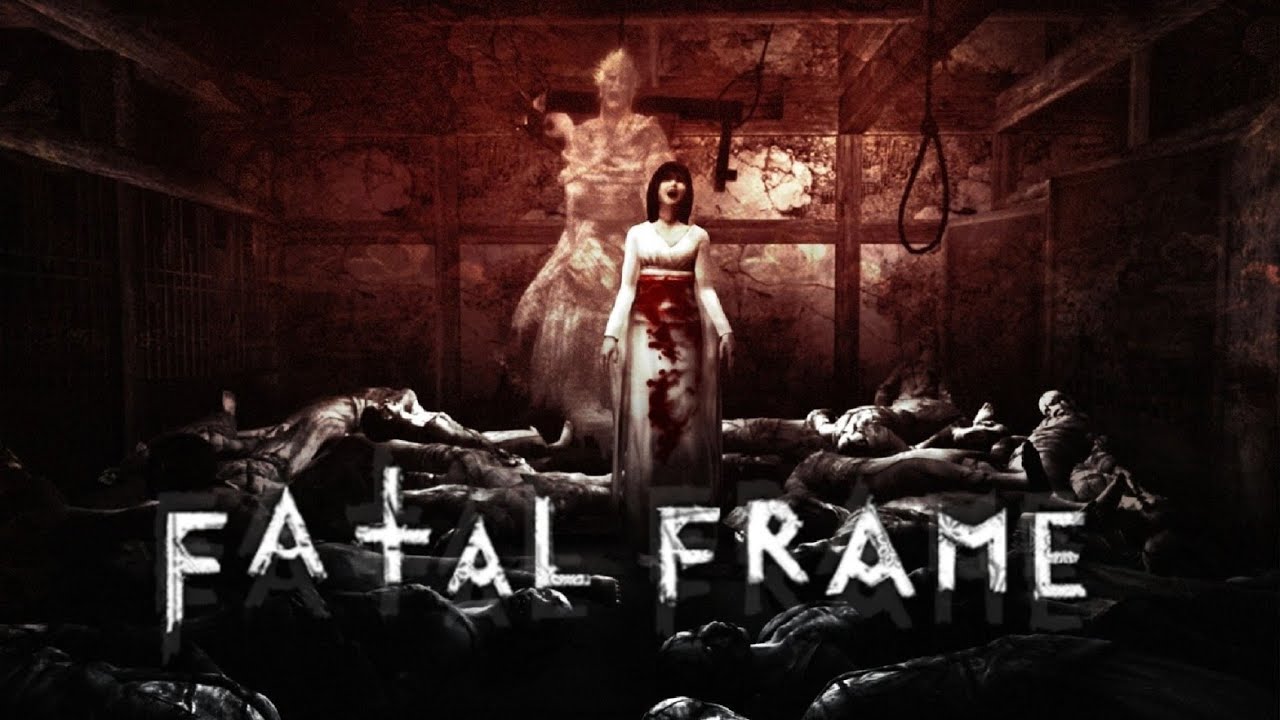
Fatal Frame (2001): The Himuro Mansion Incident
The story begins in 1986 when Miku Hinasaki ventures into the isolated Himuro Mansion to search for her missing older brother, Mafuyu. Mafuyu had entered the estate following the disappearance of famous novelist Junsei Takamine and his team.
Miku discovers that Himuro Mansion was once the site of the brutal Strangling Ritual. A Shrine Maiden, bound at the neck and limbs with ropes, was sacrificed to keep the Hell Gate closed. When the last Maiden, Kirie Himuro, failed her duty because of her love for a visiting scholar, the ritual collapsed. The master of the mansion slaughtered everyone inside, and Kirie's corrupted spirit cursed the grounds.
Miku uses the Camera Obscura to survive the ghost-infested estate, eventually freeing Kirie's pure soul and quelling the curse, though Mafuyu chooses to remain behind with Kirie to comfort her spirit.
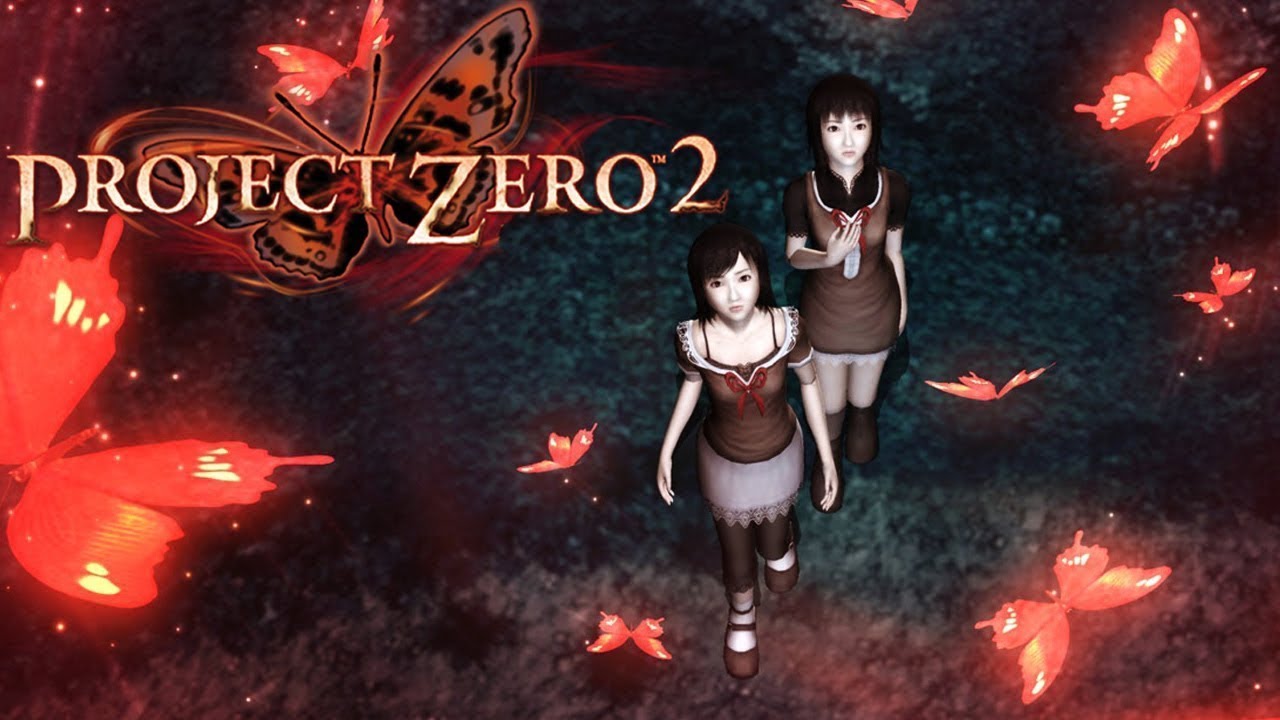
Fatal Frame II: Crimson Butterfly: The Crimson Sacrifice
Chronologically taking place shortly before the first game, Fatal Frame II: Crimson Butterfly follows twin sisters Mio and Mayu Amakura. While visiting their childhood playground, Mayu follows a mysterious crimson butterfly into the lost Minakami Village, a place swallowed by perpetual night.
The village's secret lies in the Crimson Sacrifice Ritual, where one twin must strangle the other to appease the Abyss below the village. If successful, the sacrificed twin becomes a sacred Crimson Butterfly to protect the region. When the Previous ritual failed because one twin fled, the disaster swallowed the entire village.
Mio is forced to relive the dark history of the village while trying to rescue Mayu, who is drawn toward fulfilling the ancient ritual. The narrative explores deep themes of codependency, guilt, and inevitable fate.

Fatal Frame III: The Tormented: The Manor of Sleep
Connecting the events of the previous games, Fatal Frame III: The Tormented focuses on Rei Kurosawa, a freelance photographer mourning the death of her fiancé in a car accident she caused. Rei begins seeing her deceased fiancé in photographs, leading her into a recurring nightmare set in the Manor of Sleep.
The dream world expands as people experiencing overwhelming grief are drawn into it. Miku Hinasaki (from the first game) and Kei Amakura (uncle to the twins from the second game) join Rei as playable protagonists. The curse stems from the Commandment Ritual, where a tattooed Priestess absorbs the pain and grief of others. When Priestess Reika Kuze's ritual was disrupted, her tattoo spread uncontrollably, causing sleepers to vanish into ash upon waking.
Rei ultimate confronts her grief, allowing her to release the spirits and move forward with her life.

Fatal Frame: Mask of the Lunar Eclipse: Rogetsu Island's Forgotten Memories
Set on Rogetsu Island, this entry follows Ruka Minazuki and two other surviving girls who were kidnapped during the Rogetsu Kagura festival years earlier. Having lost their memories of the incident, the girls return to the island after two other survivors die under mysterious circumstances.
The island's dark history involves the Rites of Blooming and a unique disease known as Lunar Eclipse Syndrome, which causes people to lose their faces and memories. The story delves into memory loss, musical rituals, and artistic obsession, providing a distinct atmosphere within the franchise lore.

Fatal Frame: Maiden of Black Water: Mount Hikami and the Sacred Water
Set around the notorious Mount Hikami, Fatal Frame: Maiden of Black Water follows three interconnected characters: Yuri Kozukata, Ren Hojo, and Miu Hinasaki (daughter of Miku Hinasaki).
Mount Hikami is a place where people go to end their lives, tightly tied to the veneration of black water. In the past, Immortal Maidens were enshrined inside wooden boxes submerged in black water to control the flow from the underworld. The ritual failed when Maiden Ougoto Kurosawa suffered overwhelming agony during her sacrifice, corrupting the waters of the mountain.
The game explores modern themes of depression, loneliness, and spiritual mediumship, bringing a poignant close to long-running character arcs like Miku Hinasaki's legacy.
Frequently Asked Questions
Do I need to play the Fatal Frame games in chronological order?
While each game features a self-contained story with unique characters and locations, playing them in order adds deep context. Fatal Frame III: The Tormented in particular heavily connects the events of the first two games.
What is the Camera Obscura?
The Camera Obscura is an antique camera invented by Dr. Kunihiko Asao. It uses spirit technology to capture and pacify vengeful ghosts, revealing their memories and unfulfilled wishes.
Are all Fatal Frame stories based on real events?
While marketing for early games mentioned inspiration from Japanese urban legends and alleged real-world haunted locations like the Himuro Mansion, the specific storylines, characters, and rituals are fictional works inspired by real traditional Shinto customs and Japanese folklore.
