


Sega and Ryu Ga Gotoku Studio have created one of the most distinctive franchises in modern video game history. Blending hard-boiled crime drama, absurd sub-stories, thrilling action, and rich character development, the Yakuza series—now officially known globally as Like a Dragon—has captured the hearts of gamers worldwide. From the neon-lit streets of Kamurocho to the tropical shores of Honolulu, these games offer unforgettable experiences filled with beating up thugs, singing karaoke, and managing side businesses.
With dozens of mainline titles, remakes, and spin-offs spanning multiple console generations, determining where to begin or which entries reign supreme can be overwhelming. In this comprehensive guide, we rank the core entries in the Yakuza and Like a Dragon series from worst to best based on story, gameplay mechanics, side content, and overall impact.

11. Yakuza 3
While Yakuza 3 holds a special place in the hearts of longtime fans for introducing Kazuma Kiryu's peaceful life running the Sunshine Orphanage in Okinawa, it suffers from aging mechanics. Transitioning to the PlayStation 3 era, the game introduced upgraded graphics at the time, but combat mechanics have aged poorly compared to later remastered releases. Enemies block constantly, making combat feel sluggish and repetitive on higher difficulties.
Despite its mechanical flaws, Yakuza 3 features an emotionally grounded storyline that shows Kiryu at his most empathetic as a protector and father figure. However, pacing issues in the early chapters and outdated mini-game design place it at the bottom of our ranked list.
10. Yakuza 4
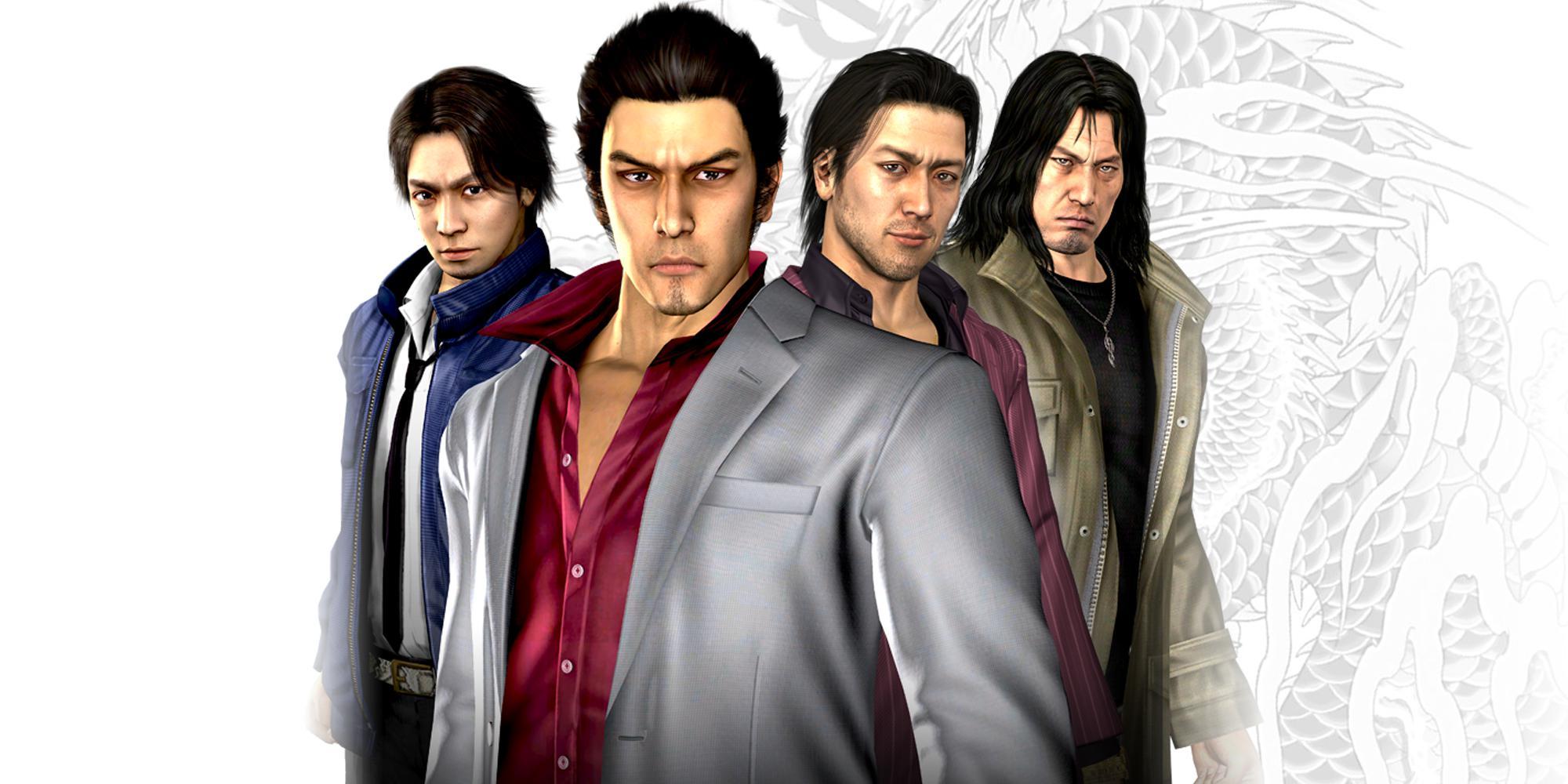
Yakuza 4 was a massive turning point for the franchise because it introduced multiple playable protagonists for the first time. Alongside Kazuma Kiryu, players were introduced to Shun Akiyama, Taiga Saejima, and Masayoshi Tanimura. Each character brought a completely distinct combat style, fresh narrative perspective, and personal connection to Kamurocho's underground world.
While switching between characters kept the combat fresh, the narrative became overly convoluted with improbable plot twists involving rubber bullets and complex political schemes. Nevertheless, introducing fan-favorites like Akiyama made Yakuza 4 an essential bridge toward the franchise's modern era.

9. Yakuza 6: The Song of Life
As the final chapter of Kazuma Kiryu's story before the series shifted focus, Yakuza 6: The Song of Life carried enormous emotional weight. Built on the brand-new Dragon Engine, it delivered seamless exploration without loading screens, beautiful dynamic lighting, and detailed facial animations. The quiet coastal town of Onomichi provided a charming contrast to the familiar urban chaos of Kamurocho.
However, being the first game on a new engine meant some features felt trimmed down. The combat system lacked the depth of previous style-based entries, and several beloved legacy characters were sidelined to focus on the new Onomichi family dynamics. Even so, its narrative conclusion for Kiryu was undeniably moving.

8. Yakuza 5
In terms of scale, Yakuza 5 is an absolute monster of a game. Featuring five playable characters—Kiryu, Saejima, Akiyama, Shinada, and Haruka—and five major Japanese cities, the scope of content is staggering. Players can race taxis, hunt down bears in snowy mountains, navigate the idol pop industry, and hit homeruns in baseball side-quests.
The sheer volume of content is both its greatest strength and biggest weakness. Yakuza 5 can feel bloated, and the overarching plot struggles to tie all five separate narratives together cleanly. Yet, for players looking to immerse themselves in a massive virtual Japan, it remains an impressive feat.
7. Like a Dragon: Ishin!
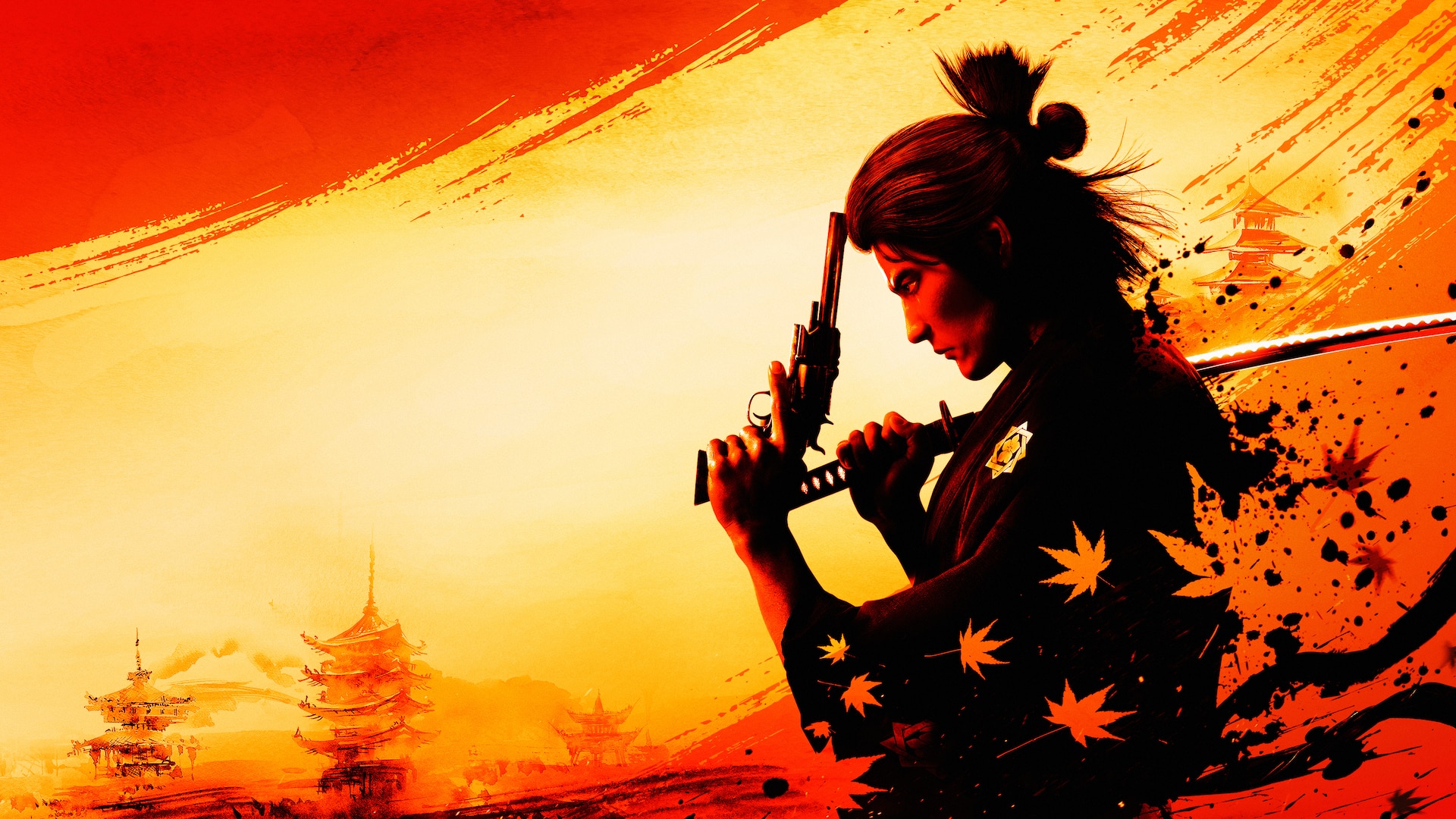
Originally released in Japan in 2014 and fully remade globally in Unreal Engine 5, Like a Dragon: Ishin! transports the series' iconic characters into Bakumatsu-era Japan. Kazuma Kiryu takes on the role of real-life historical figure Sakamoto Ryoma, while other franchise favorites portray historical samurai and political figures.
The game features four distinct combat styles, including swordsmanship and wild revolvers, offering a satisfying twist on classic brawl mechanics. While the Trooper Card power-ups divide some purists, the historical setting and dramatic samurai narrative make it a standout spin-off that captures everything great about the franchise.
6. Yakuza Kiwami
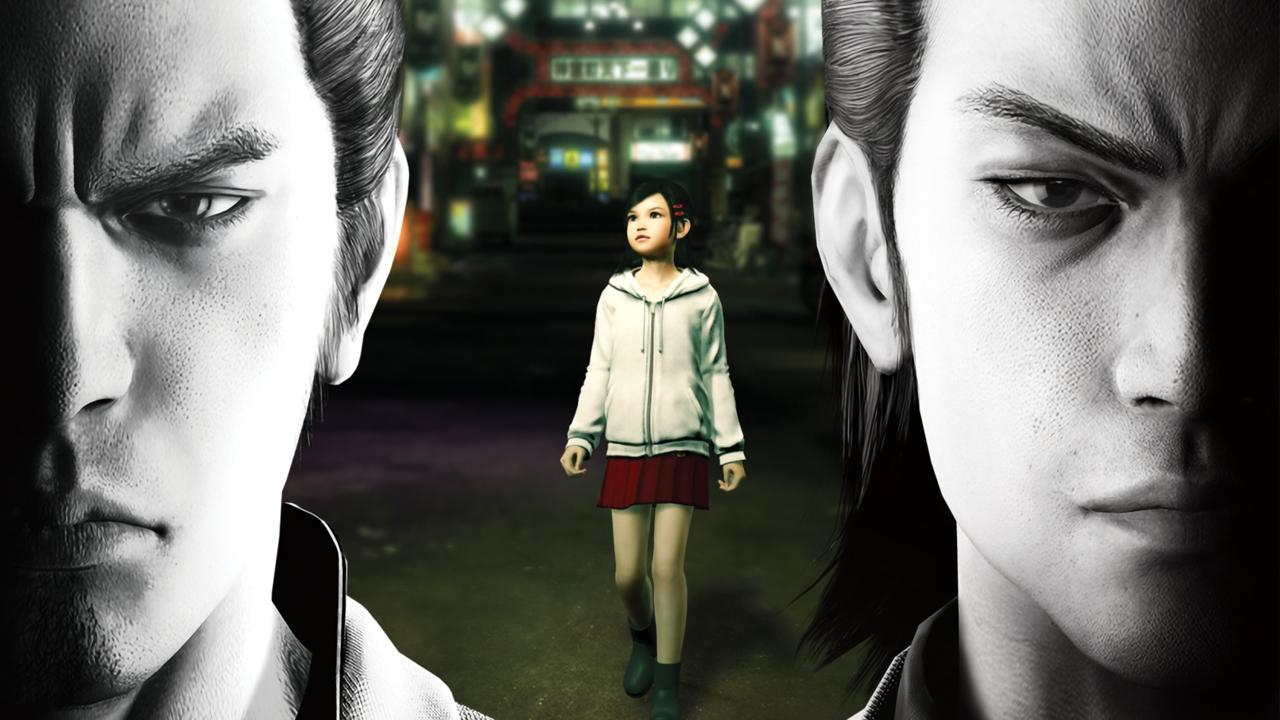
Yakuza Kiwami is a full remake of the original PlayStation 2 game that started it all. Rebuilt using the combat engine and assets from Yakuza 0, it revitalized Kiryu's original narrative, detailing his ten-year prison sentence, the disappearance of ten billion yen, and his dynamic bond with young Haruka.
The addition of the Majima Everywhere system—where Goro Majima constantly pops out of sewers, giant cones, and disguises to fight Kiryu—added endless levity to an otherwise grim storyline. While boss fights can feel somewhat frustrating due to health-regen mechanics, Yakuza Kiwami is a lean, foundational entry in the series.

5. Like a Dragon Gaiden: The Man Who Erased His Name
Designed as a bridge connecting Kiryu's story between Yakuza 6: The Song of Life and the newer mainline titles, Like a Dragon Gaiden: The Man Who Erased His Name is a focused, action-packed thrill ride. Operating under the codename Joryu, Kiryu adopts a secret agent persona, utilizing high-tech gadgets alongside his traditional brawler style.
Though shorter than traditional entries, Like a Dragon Gaiden: The Man Who Erased His Name features zero filler. The Arena side-activity is among the best combat experiences in the series, and the emotional climax delivers one of the most powerful vocal performances in gaming history.

4. Yakuza Kiwami 2
Yakuza Kiwami 2 remakes the beloved second chapter using an optimized version of the Dragon Engine. The story pits Kazuma Kiryu against his greatest rival, the Dragon of Kansai, Ryuji Goda. Their legendary clash remains one of the high points of the entire series narrative.
Featuring smooth physical combat, an expanded Cabaret Club Grand Prix side game, and the fan-favorite Majima Construction mini-game, Yakuza Kiwami 2 strikes a perfect balance between technical fidelity, emotional dramatic storytelling, and addictive side content.
3. Yakuza: Like a Dragon
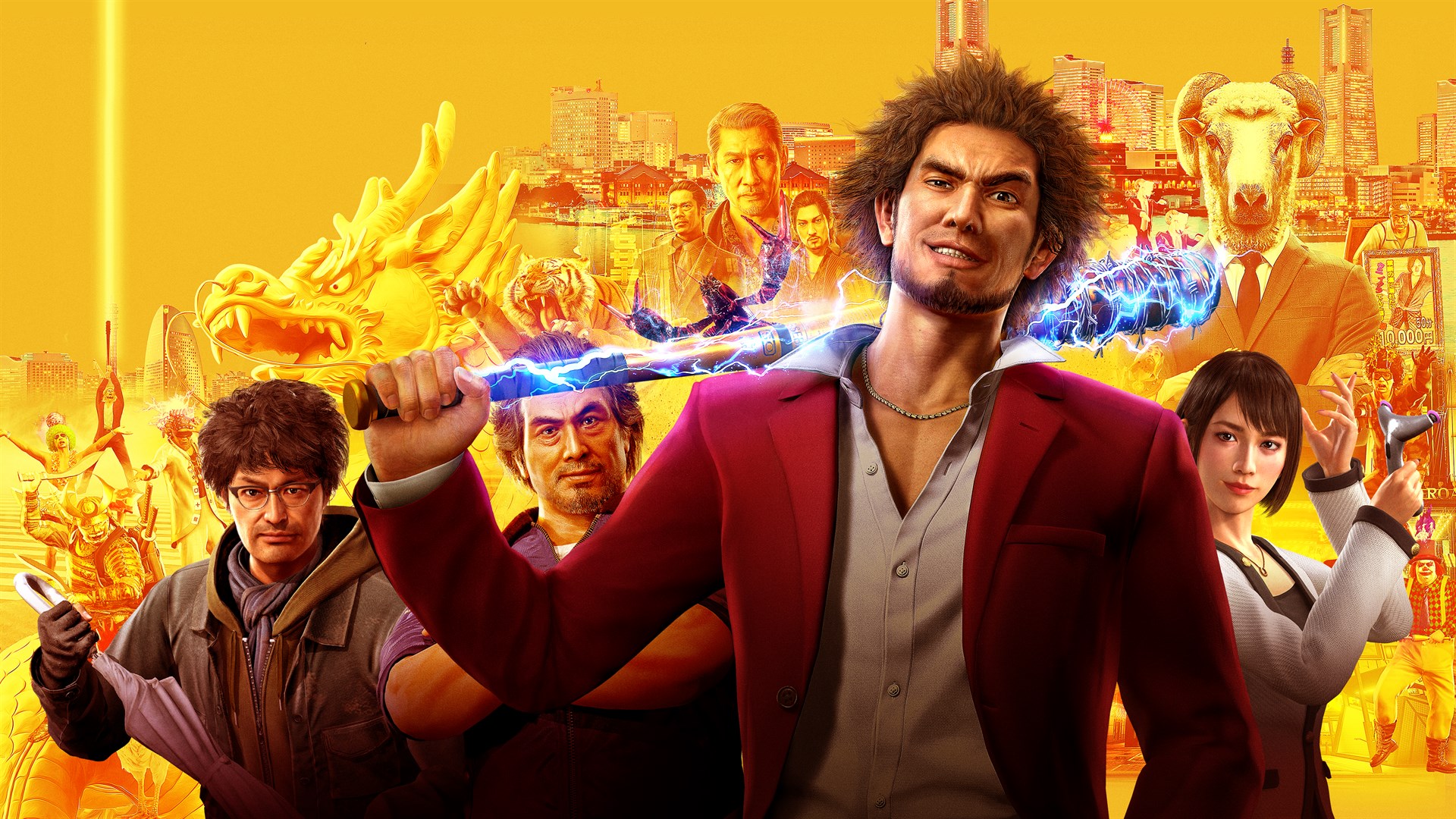
Yakuza: Like a Dragon marked a revolutionary soft reboot for the franchise. It introduced a new protagonist, Ichiban Kasuga—an endlessly optimistic ex-yakuza who views the world through the lens of a classic turn-based RPG. The series boldly abandoned its real-time brawler combat in favor of turn-based party mechanics while retaining its signature humor and gritty crime storyline.
Set primarily in Yokohama's district of Isezaki Ijincho, Ichiban's journey with his lovable group of misfits injected new life into the franchise. The game proved that the series could radically evolve without losing its core identity.
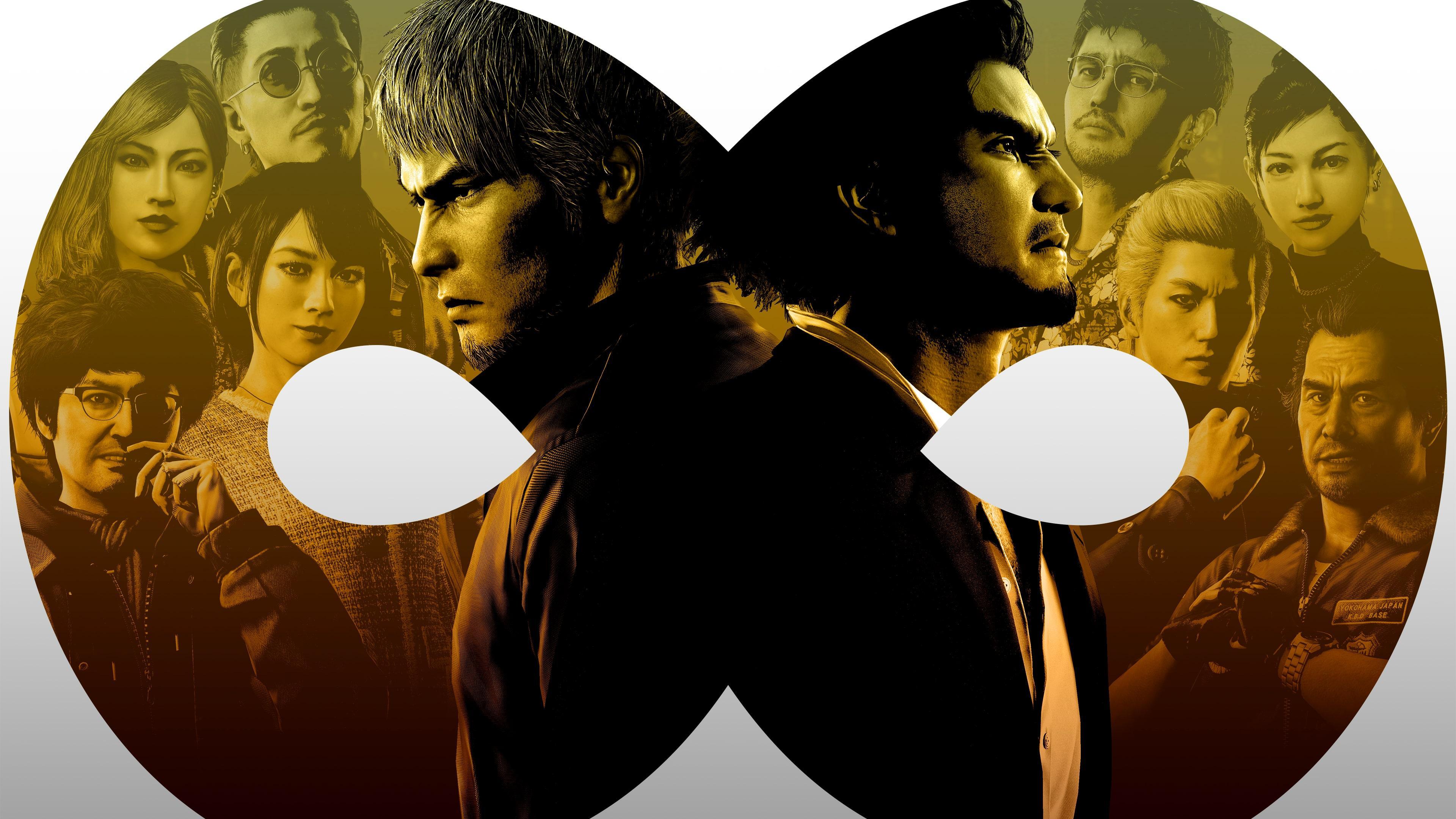
2. Like a Dragon: Infinite Wealth
Taking the turn-based mechanics introduced in its predecessor and refining them to perfection, Like a Dragon: Infinite Wealth stands as an absolute masterpiece of the RPG genre. The narrative unites Ichiban Kasuga and Kazuma Kiryu as dual protagonists, taking the franchise outside Japan for the very first time to Hawaii.
Combat was significantly enhanced with character positioning, dynamic environmental attacks, and dual-unison moves. With huge side modes like Dondoko Island (a full-fledged resort management sim) and Sujimon battles, alongside a poignant look back at Kiryu's life legacy, Like a Dragon: Infinite Wealth delivers staggering value and emotional depth.
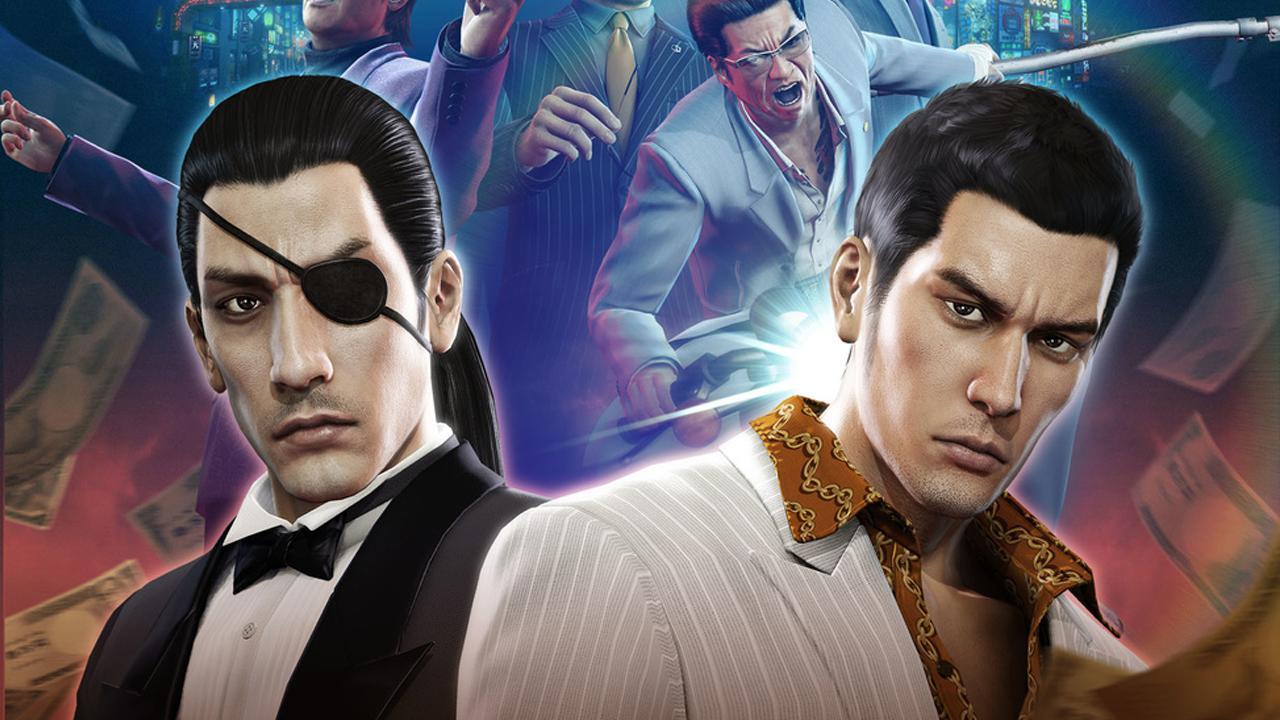
1. Yakuza 0
Standing tall at the apex of the franchise is Yakuza 0. Set in the decadent, neon-drenched bubble economy of 1988 Japan, this prequel tells the origin stories of Kazuma Kiryu and Goro Majima. The dual-narrative is a masterclass in pacing, filled with suspense, heartbreak, and incredible character growth.
Gameplay features three distinct stance-based combat styles for both Kiryu and Majima, allowing for unparalleled fighting variety. Combine that with top-tier side activities like the Real Estate Royale and Cabaret Club Czar, and Yakuza 0 remains the absolute crown jewel of the series and the single best starting point for newcomers.
Frequently Asked Questions
Where should a beginner start playing the series?
The best starting point for the traditional action-brawler experience is Yakuza 0, as it sets up the emotional stakes and backstory for the entire saga. If you prefer turn-based RPG combat, starting with Yakuza: Like a Dragon is ideal, as it introduces new protagonist Ichiban Kasuga.
Are Yakuza and Like a Dragon the exact same franchise?
Yes. The franchise has always been titled Ryu Ga Gotoku (Like a Dragon) in Japan. Western releases used the title Yakuza up until 2022, when Sega unified the brand globally under the name Like a Dragon.
Are spin-offs like Judgment necessary to understand the main story?
Spin-off games like Judgment and Lost Judgment take place in the same universe and cities, but they feature separate characters and independent storylines. You can enjoy them without playing the mainline entries, though they share the classic action-brawler mechanics.
Final Thoughts
Whether you prefer real-time beat-'em-up combat or strategic turn-based party battles, Ryu Ga Gotoku Studio has consistently delivered high-quality narrative gaming experiences for nearly two decades. While every entry brings something unique to Kamurocho and beyond, games like Yakuza 0 and Like a Dragon: Infinite Wealth represent the pinnacle of open-world story-driven gaming.
