


For nearly four decades, Nintendo has set the gold standard for action-adventure gaming with The Legend of Zelda franchise. From pioneering open-ended exploration on the NES to defining 3D game design on the Nintendo 64 and reinventing modern open-world games on the Switch, Link's journeys across Hyrule remain iconic. However, with so many entries spanning multiple console generations, how do these legendary titles stack up against one another?
We have evaluated every major mainline entry based on dungeon design, mechanics, storytelling, world building, and lasting historical impact. Here is the definitive ranking of every mainline game in The Legend of Zelda series, ranked from worst to best.
18. Zelda II: The Adventure of Link
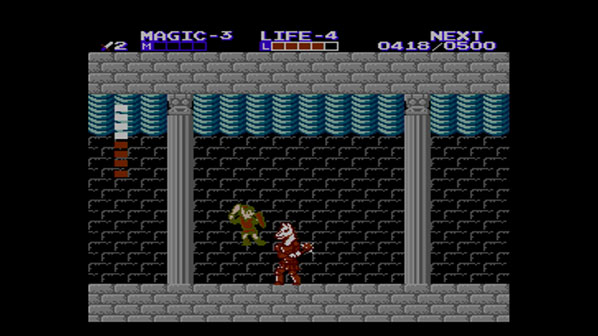
Released on the NES, Zelda II: The Adventure of Link stands as the black sheep of the entire franchise. Shifting from the top-down perspective of the original to a side-scrolling platformer with RPG-style leveling mechanics, the game was a bold experiment. While its combat was surprisingly technical for its era, its punishing difficulty, cryptic puzzle solutions, and departure from core series tropes place it at the bottom of the list.
17. The Legend of Zelda: Tri Force Heroes
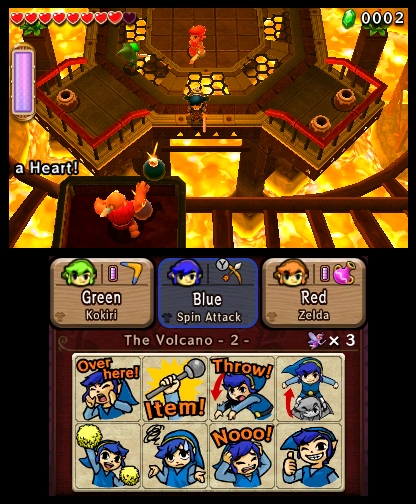
Designed primarily around three-player cooperative play on the Nintendo 3DS, The Legend of Zelda: Tri Force Heroes focuses on puzzle-solving through character stacking and outfit abilities. While fun with a group of friends, playing the title in single-player mode feels tedious and uninspired. The lack of a cohesive exploration element makes it one of the least memorable adventures in Hyrule.
16. The Legend of Zelda: Four Swords Adventures
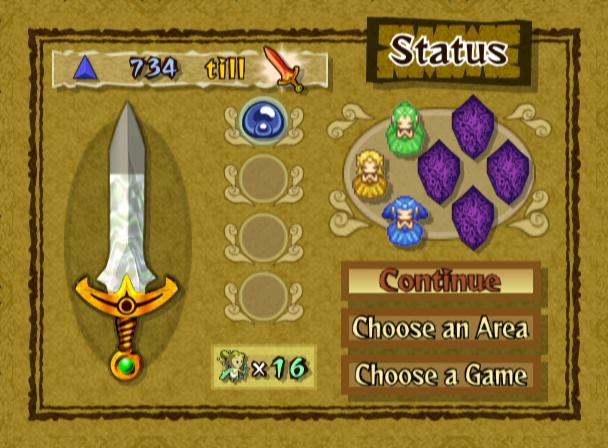
Building upon the multiplayer concept first introduced on the Game Boy Advance, The Legend of Zelda: Four Swords Adventures for the GameCube offered chaotic local multiplayer action. Players connected Game Boy Advance systems to act as individual screens when entering houses or dungeons. It was an innovative concept ahead of its time, but the cumbersome hardware requirements prevented many gamers from experiencing it at its full potential.
15. The Legend of Zelda: Phantom Hourglass
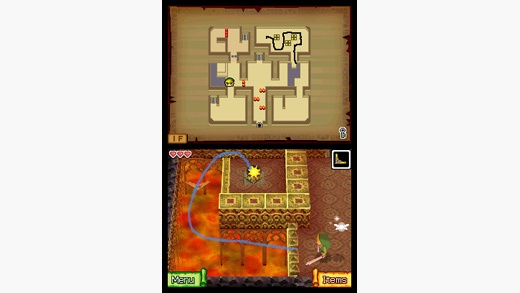
As a direct sequel to the cell-shaded GameCube classic, The Legend of Zelda: Phantom Hourglass brought Link to the Nintendo DS using touchscreen-exclusive controls. While drawing paths for the boomerang and steering Link's ship felt novel, forced backtracking through the central Temple of the Ocean King burdened the pacing significantly.
14. The Legend of Zelda: Spirit Tracks

Improving upon its predecessor's weaknesses, The Legend of Zelda: Spirit Tracks gave Princess Zelda an active companion role, allowing her spirit to possess Phantom armor to assist in puzzles. The trade-off was trading open ocean navigation for rigid train track travel across Hyrule, which limited the sense of true freedom and adventure.
13. The Legend of Zelda (1986)
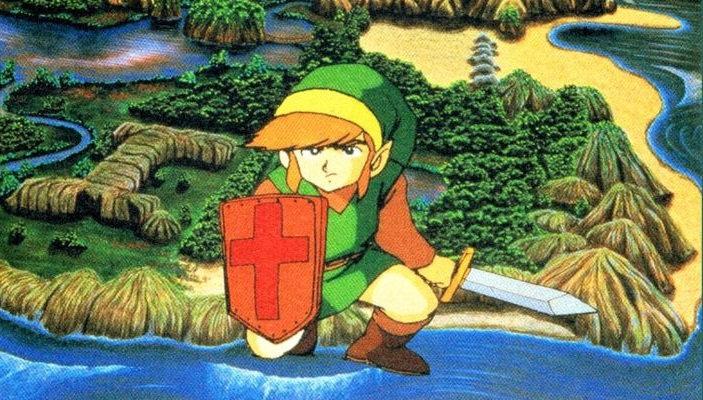
The original The Legend of Zelda on the NES is a historical landmark. It introduced non-linear gameplay, hidden secrets, and dynamic dungeon crawling to home consoles. While some design elements feel dated and overly reliant on trial-and-error secrets without modern quality-of-life features, its core DNA lives on in modern titles like The Legend of Zelda: Breath of the Wild.
12. The Legend of Zelda: The Minish Cap

Developed by Capcom for the Game Boy Advance, The Legend of Zelda: The Minish Cap is a gorgeous 2D adventure. The game's central mechanic—shrinking Link down to the size of a bug—offered clever puzzle perspectives, transforming ordinary blades of grass into massive obstacles. Its short length is the only factor keeping it from ranking higher.
11. The Legend of Zelda: Skyward Sword
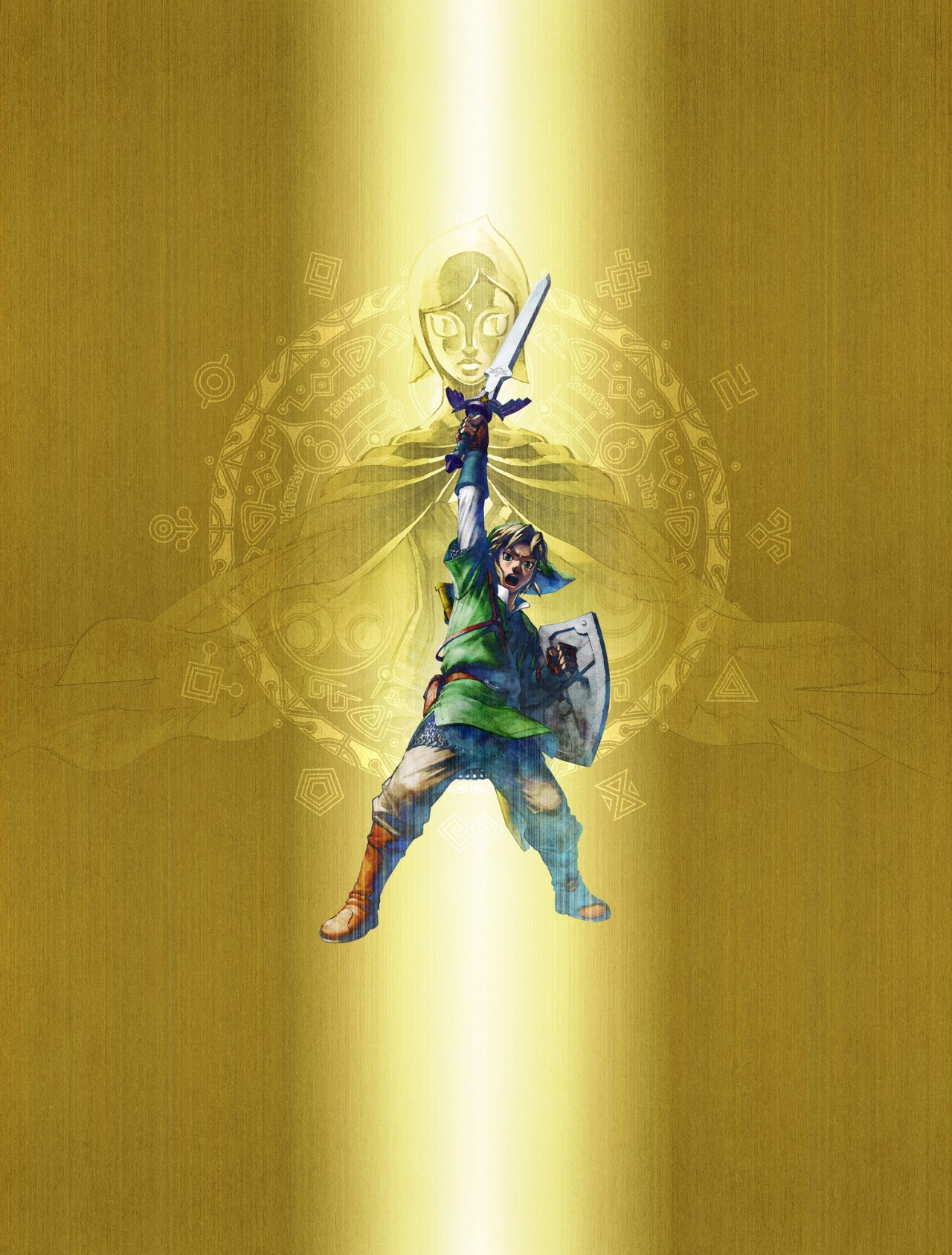
Positioned as the chronological origin story of the entire franchise, The Legend of Zelda: Skyward Sword features incredible motion combat, deeply emotional narrative arcs, and some of the best dungeons in the series (such as the Ancient Cistern). However, its linear world structure, repetitive boss encounters, and original Wii motion controls proved polarizing for long-time fans.
10. The Legend of Zelda: Oracle of Ages & The Legend of Zelda: Oracle of Seasons
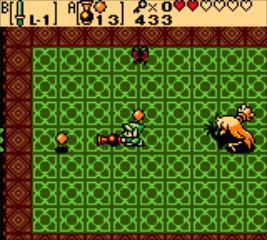
Released simultaneously for the Game Boy Color, The Legend of Zelda: Oracle of Ages and The Legend of Zelda: Oracle of Seasons formed an ambitious dual adventure. The Legend of Zelda: Oracle of Ages focused on intricate, brain-bending time-manipulation puzzles, while The Legend of Zelda: Oracle of Seasons leaned into action and environmental manipulation through changing seasons. Linking both games via password unlocked a true final boss fight against Ganon.
9. The Legend of Zelda: Link's Awakening
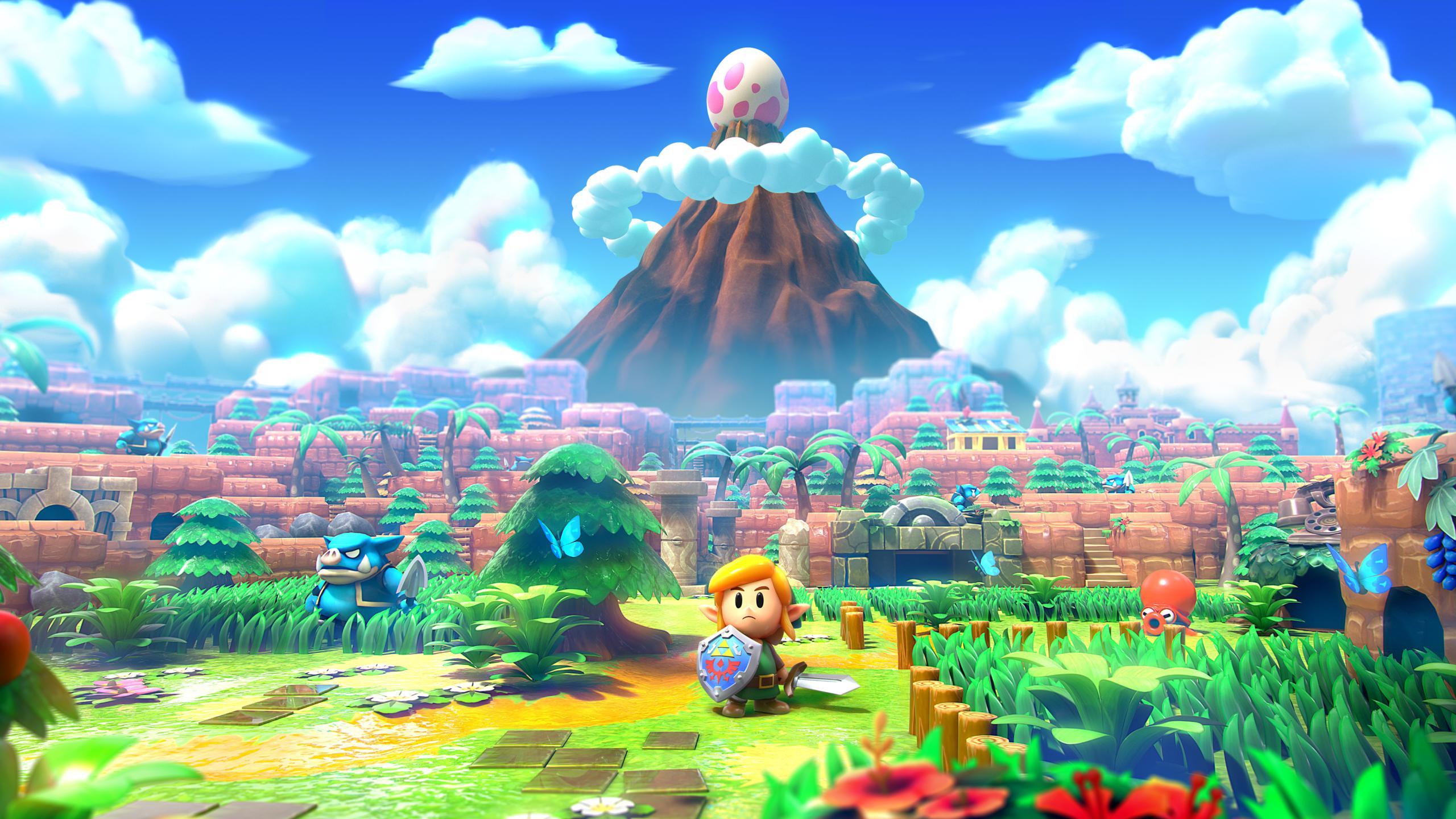
Proving that a portable Zelda game could rival home console releases, The Legend of Zelda: Link's Awakening delivered a surreal, dreamlike narrative set on Koholint Island away from Hyrule and Zelda. Its charming characters, emotional twist ending, and fantastic dungeon design earned it a faithful, modern remake on Nintendo Switch.
8. The Legend of Zelda: A Link Between Worlds

Serving as a spiritual successor to the SNES classic, The Legend of Zelda: A Link Between Worlds introduced non-linear dungeon progression by letting players rent items in any order. The ability to merge into walls as a 2D painting created brilliant geometric puzzle solutions, modernizing classic top-down gameplay mechanics flawlessly.
7. The Legend of Zelda: Twilight Princess

Taking a darker, more cinematic direction, The Legend of Zelda: Twilight Princess offered a sprawling adventure on GameCube and Wii. Featuring wolf-transformation mechanics, excellent companion dynamic with Midna, and dungeons widely regarded as masterclasses in design (such as Arbiter's Grounds), it captured the epic scale fans demanded.
6. The Legend of Zelda: The Wind Waker
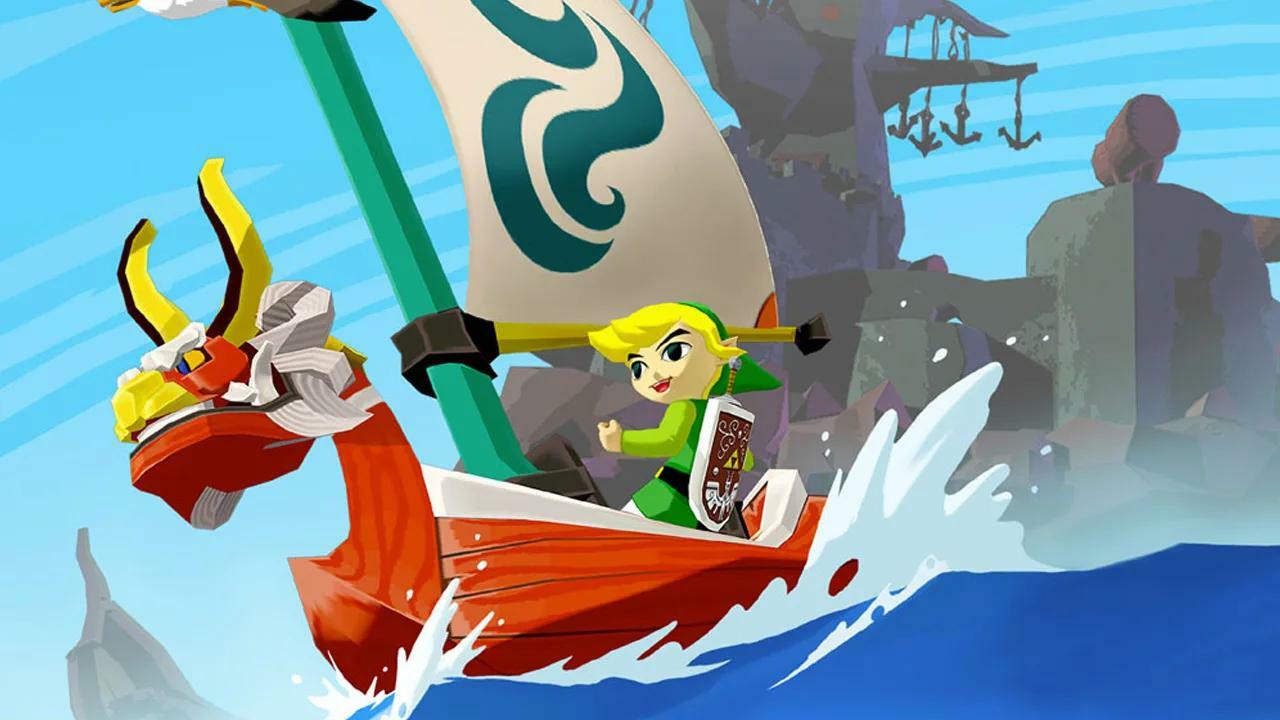
Despite initial backlash against its cel-shaded art style, The Legend of Zelda: The Wind Waker proved to be an absolute masterpiece. Sailing the open Great Sea gave players an unprecedented sense of discovery and ocean navigation, complemented by expressive animations, fluid combat, and a heartbreakingly nuanced villain portrayal of Ganondorf.
5. The Legend of Zelda: Majora's Mask

Built on the engine of its predecessor, The Legend of Zelda: Majora's Mask is the most psychologically complex entry in Nintendo's library. Trapped in a 3-day time loop before a menacing moon collapses into Termina, Link must use transformation masks to save a doomed world. Its haunting atmosphere, intricate side quests, and emotional depth make it an unmatched cult favorite.
4. The Legend of Zelda: A Link to the Past
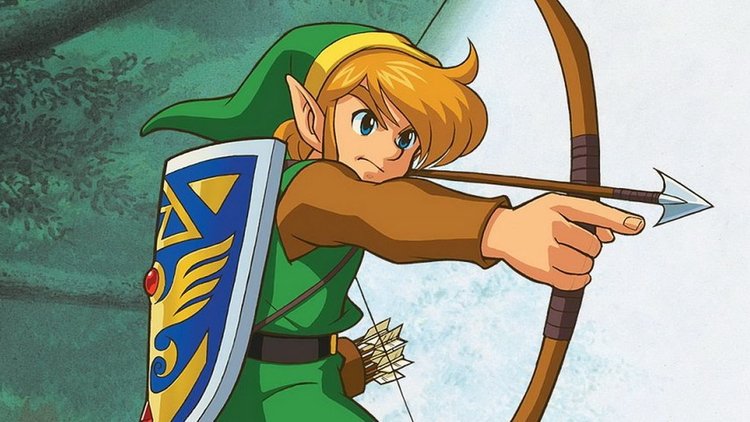
The definitive 2D action-adventure game, The Legend of Zelda: A Link to the Past on the Super Nintendo established the structural formula that defined the series for two decades. The dual-world mechanic switching between the Light World and Dark World, immaculate level design, and instantly recognizable music set a standard for action-RPGs that holds up remarkably well today.
3. The Legend of Zelda: Breath of the Wild
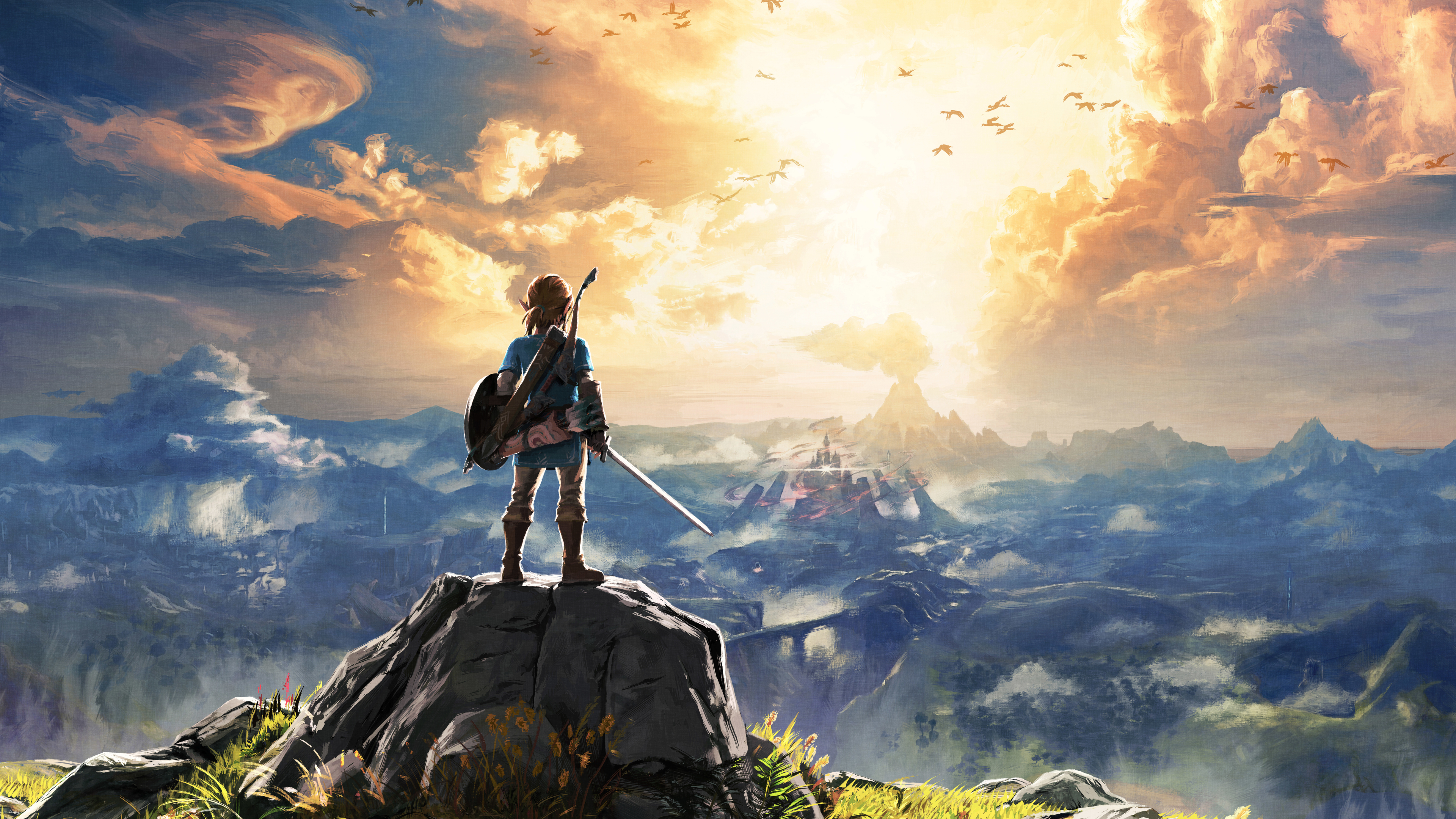
Launching alongside the Nintendo Switch, The Legend of Zelda: Breath of the Wild completely redefined open-world game design. By stripping away artificial barriers and introducing systemic physics, chemistry mechanics, and free climbing, it rekindled the pure sense of unguided exploration that started the franchise back in 1986. It is widely recognized as one of the greatest video games ever made.
2. The Legend of Zelda: Tears of the Kingdom
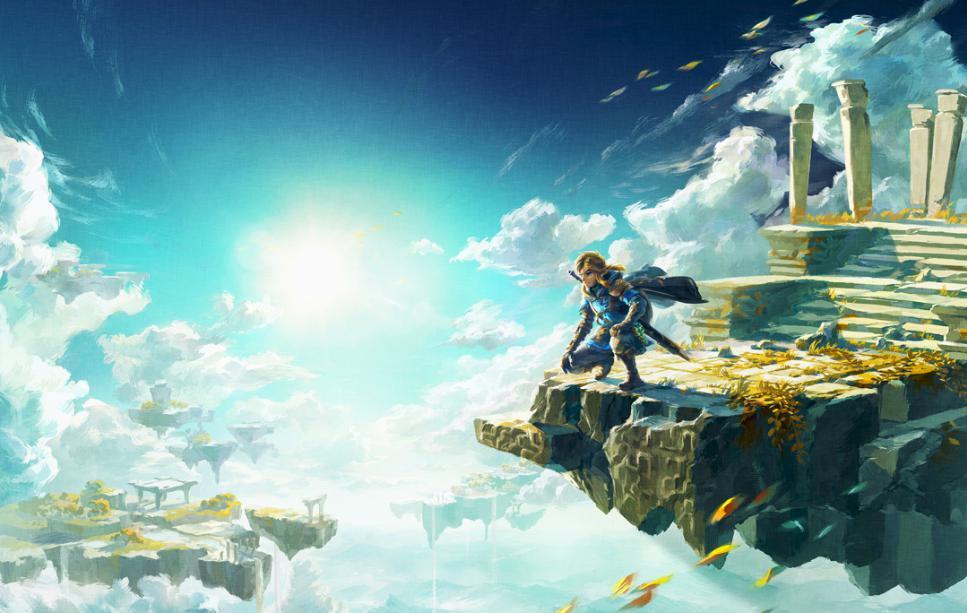
Achieving what many thought impossible, The Legend of Zelda: Tears of the Kingdom expanded upon its open-world predecessor in every imaginable way. By adding vast Sky Islands, a terrifying sprawling Depths underground, and the revolutionary Ultrahand construction system, it turned Hyrule into a giant physics sandbox of infinite player creativity without sacrificing story or dungeon depth.
1. The Legend of Zelda: Ocarina of Time
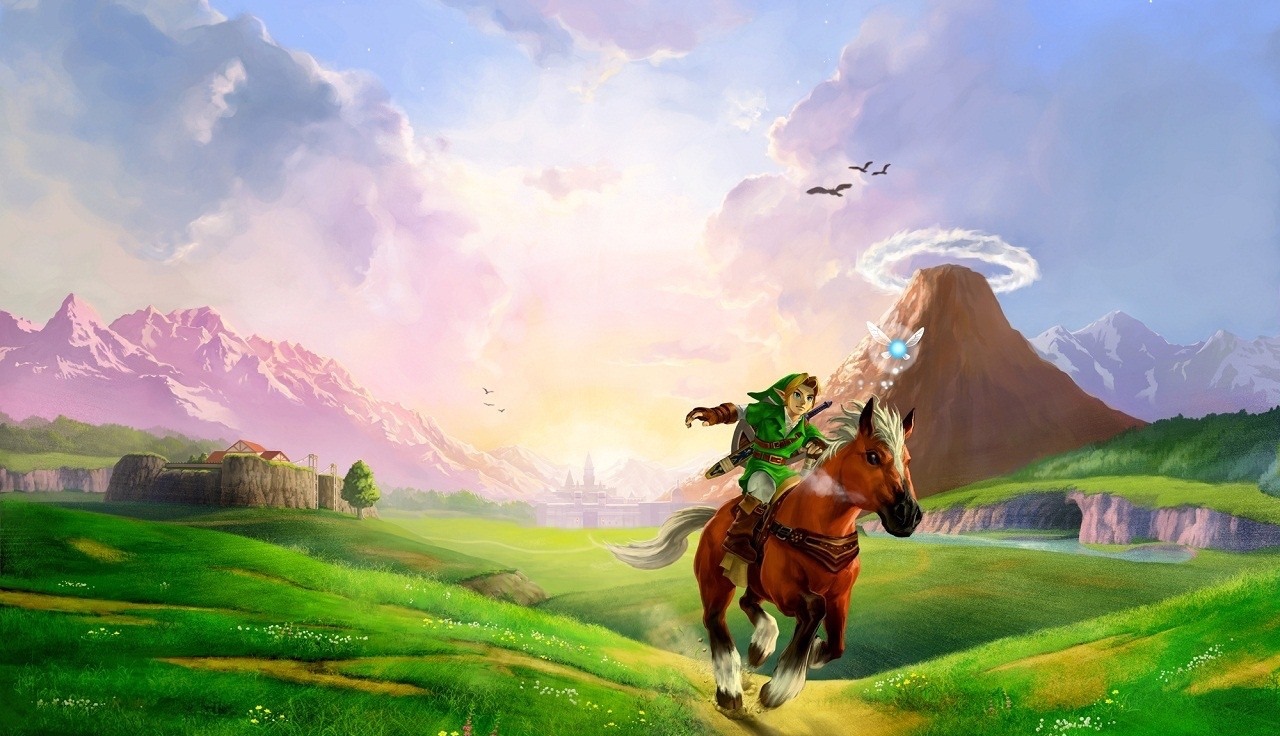
Holding the spot at number one is The Legend of Zelda: Ocarina of Time. Released on the Nintendo 64, it did not just transition Zelda into 3D; it laid down the foundational rules for all 3D action games that followed, inventing target-locking mechanisms (Z-targeting) and context-sensitive controls. With its timeless musical score, epic narrative spanning two distinct eras, perfect dungeon design, and unmatched historical significance, it remains the crowning jewel of gaming history.
Frequently Asked Questions
What is considered the best Zelda game for beginners?
For fans of modern open-world games, The Legend of Zelda: Breath of the Wild is the best starting point due to its intuitive design and absolute freedom. For classic linear Zelda, The Legend of Zelda: A Link Between Worlds or the modern Switch remake of The Legend of Zelda: Link's Awakening offer gentle learning curves.
Which Zelda game has the best dungeons?
Purists often cite The Legend of Zelda: Ocarina of Time, The Legend of Zelda: A Link to the Past, and The Legend of Zelda: Twilight Princess as having the best dungeon design, featuring clever spatial puzzles and iconic boss battles.
Final Thoughts
Whether you prefer the dense puzzle boxes of classic entries like The Legend of Zelda: Ocarina of Time or the boundary-pushing sandbox freedom of The Legend of Zelda: Tears of the Kingdom, The Legend of Zelda series stands as a testament to Nintendo's incredible game design legacy. Every generation brings new innovations, ensuring Link's adventures will continue to enchant players for decades to come.
