


The Unmatched Legacy of Realistic Sword Combat
During the late 1990s, developer Light Weight and publisher Square released a game that defied traditional fighting game tropes. Bushido Blade discarded life bars, round timers, and ridiculous combo meters in favor of tension, precision, and lethality. A single well-placed slash with a katana or nodachi could end a match in less than two seconds, while non-lethal strikes could cripple an opponent's arm or force them to fight from their knees.
Although the official franchise was short-lived, its innovative Body Damage System and commitment to realism spawned a direct line of spiritual successors under the Kengo series. Below is the ultimate ranking of every game in the Bushido Blade lineage, evaluated by combat depth, historical impact, and replayability.
5. Kengo: Legend of the 9

Released for the Xbox 360 in 2006, Kengo: Legend of the 9 attempted to bring the realistic samurai fighting formula into the high-definition console era. The title featured notable historical figures such as Miyamoto Musashi and Sakamoto Ryoma, offering a compelling premise for Japanese history enthusiasts.
Unfortunately, the game suffered from clunky controls, erratic camera angles, and watered-down mechanics compared to its predecessors. By replacing intricate stance-switching with simplified action sequences and frustrating quick-time events, Kengo: Legend of the 9 lost the tactical essence that made the original Bushido Blade formula so captivating.
4. Kengo 2: Legacy of the Blade
Also known in Europe as Sword of the Samurai, this PlayStation 2 title served as a direct sequel to the original Kengo: Master of Bushido. The game significantly expanded the single-player campaign, allowing players to customize their own swordsman, earn reputation, and challenge rival dojos across feudal Japan.
While the character progression and deep customization were welcome additions, the core combat felt slightly floaty. It moved further away from the immediate lethal thrills of Bushido Blade, opting instead for a stamina-focused dueling system that, while authentic, lacked the heart-pounding tension of its predecessors.
3. Kengo: Master of Bushido
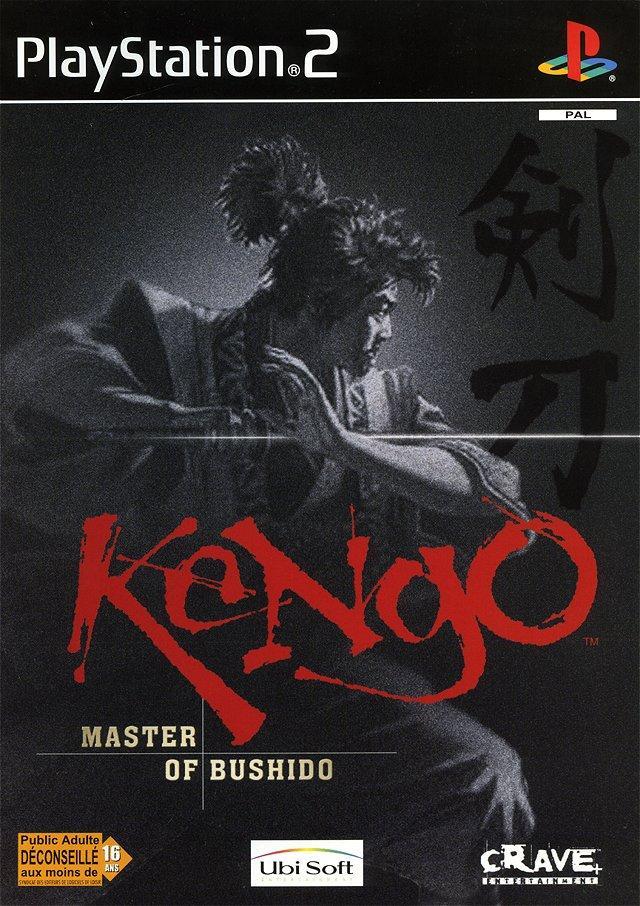
When Light Weight split from Square, they took their fighting game vision to the PlayStation 2 with Kengo: Master of Bushido. Designed as a true spiritual successor to Bushido Blade, this game focused heavily on the discipline and training of a samurai.
Players spent considerable time in the dojo honing their form, learning stance transitions, and mastering defensive parries. The game restored much of the tension found in one-hit kill mechanics, offering a deep, deliberate dueling experience. While it lacked the interactive multi-tiered arenas of the original PlayStation games, Kengo: Master of Bushido remains a impressive tactical simulator.
2. Bushido Blade 2
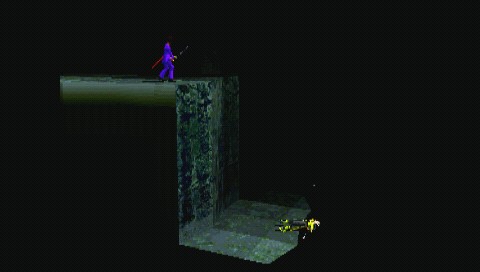
Released on the original PlayStation in 1998, Bushido Blade 2 refined the mechanics of the original game while dramatically increasing the pacing. Introducing two distinct factions—the Kagami and the Shinto clans—the sequel featured a streamlined combat system with stances linked directly to high, medium, and low attacks.
The visuals saw a notable upgrade, animation fluidity was enhanced, and the addition of sub-weapons (like throwing knives) added new layers of combat strategy. While some hardcore purists missed the expansive 3D roaming arenas of the first game, Bushido Blade 2 delivered an exceptional, polished multiplayer fighting experience that remains highly enjoyable today.
1. Bushido Blade
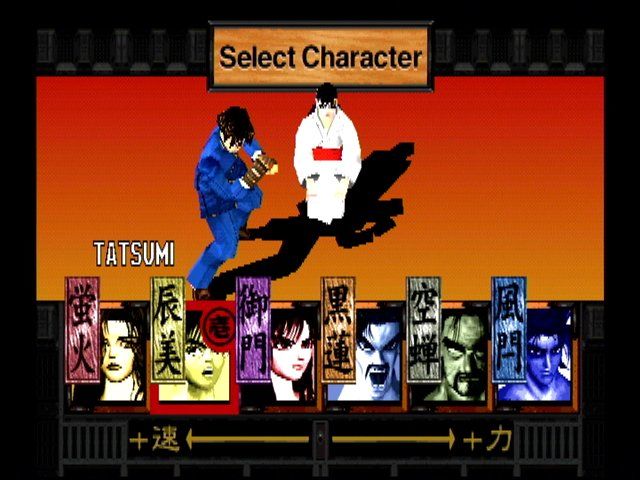
The original 1997 release of Bushido Blade stands as an undisputed masterpiece of game design. It revolutionized the fighting game genre by introducing massive, seamlessly connected arenas where players could run, climb, and fight across castle grounds, bamboo forests, and snow-covered fields.
The mechanics were ruthless yet fair. A single mistake meant defeat, but honorable fighting was strictly enforced in the story mode; striking an opponent from behind or attacking while they were down resulted in an immediate dishonorable game over. The freedom of movement, variety of historical weapons (katana, rapier, sledgehammer, naginata), and unyielding realism make Bushido Blade the peak of the franchise and one of the most innovative fighting games ever made.
Bushido Blade Series Overview
| Game Title | Release Year | Platform | Developer |
|---|---|---|---|
| Bushido Blade | 1997 | PlayStation | Light Weight |
| Bushido Blade 2 | 1998 | PlayStation | Light Weight |
| Kengo: Master of Bushido | 2000 | PlayStation 2 | Light Weight |
| Kengo 2: Legacy of the Blade | 2002 | PlayStation 2 | Light Weight |
| Kengo: Legend of the 9 | 2006 | Xbox 360 | Light Weight |
Frequently Asked Questions
Why was Bushido Blade so unique compared to other fighting games?
Bushido Blade eliminated conventional life bars and time limits. Instead, it used a realistic damage engine where a single strike to a vital organ meant instant death, and limb injuries severely impacted character mobility and combat capabilities.
Are there modern games inspired by Bushido Blade?
Yes. Indie fighting titles like Hellish Quart directly carry on the realistic physics-based one-hit sword combat. Additionally, games like Ghost of Tsushima and Sekiro: Shadows Die Twice feature lethal stance-based sword fighting heavily influenced by Bushido Blade.
Final Thoughts
The Bushido Blade series proved that fighting games did not need flashy fireballs or ridiculous health bars to deliver exhilarating competition. By prioritizing tension, spacing, and lethal consequences, the original Bushido Blade remains an unmatched classic that continues to influence modern weapon-based combat design.
